
Philippine Embassy in New Zealand highlights Filipina and Wahine Maori artists for National Heritage Month
WELLINGTON - Women artists of the Philippines and Maori (wāhine) used visual art, performance, and storytelling to express cultural identity, reclaim narratives, and reflect on historical and contemporary experiences.
This was the focus of the webinar “Roots and Horizons: Exploring Works by Filipina and Wāhine Māori Artists” organized by the Philippine Embassy on 27 May 2026 on the occasion of National Heritage Month.
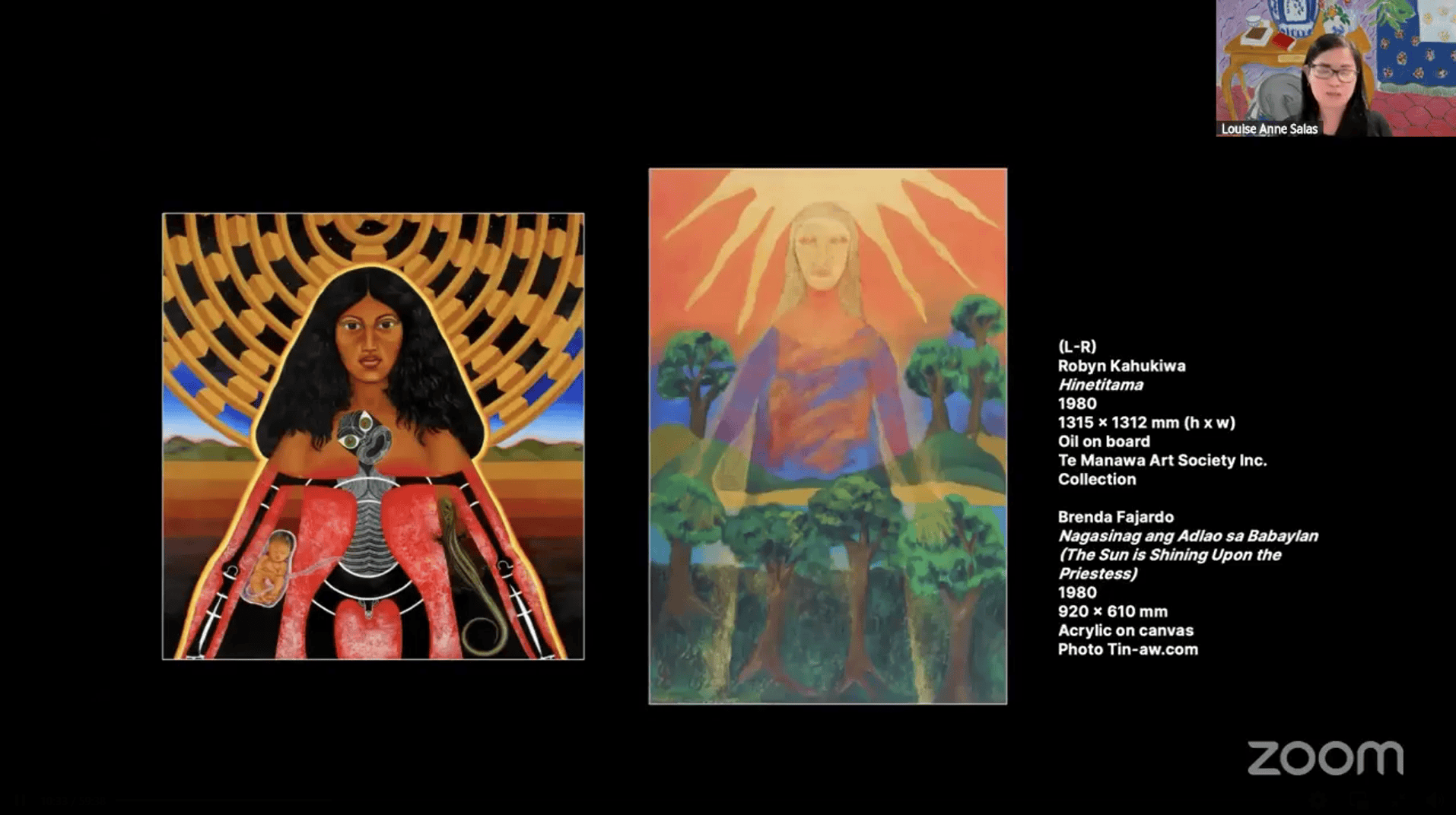
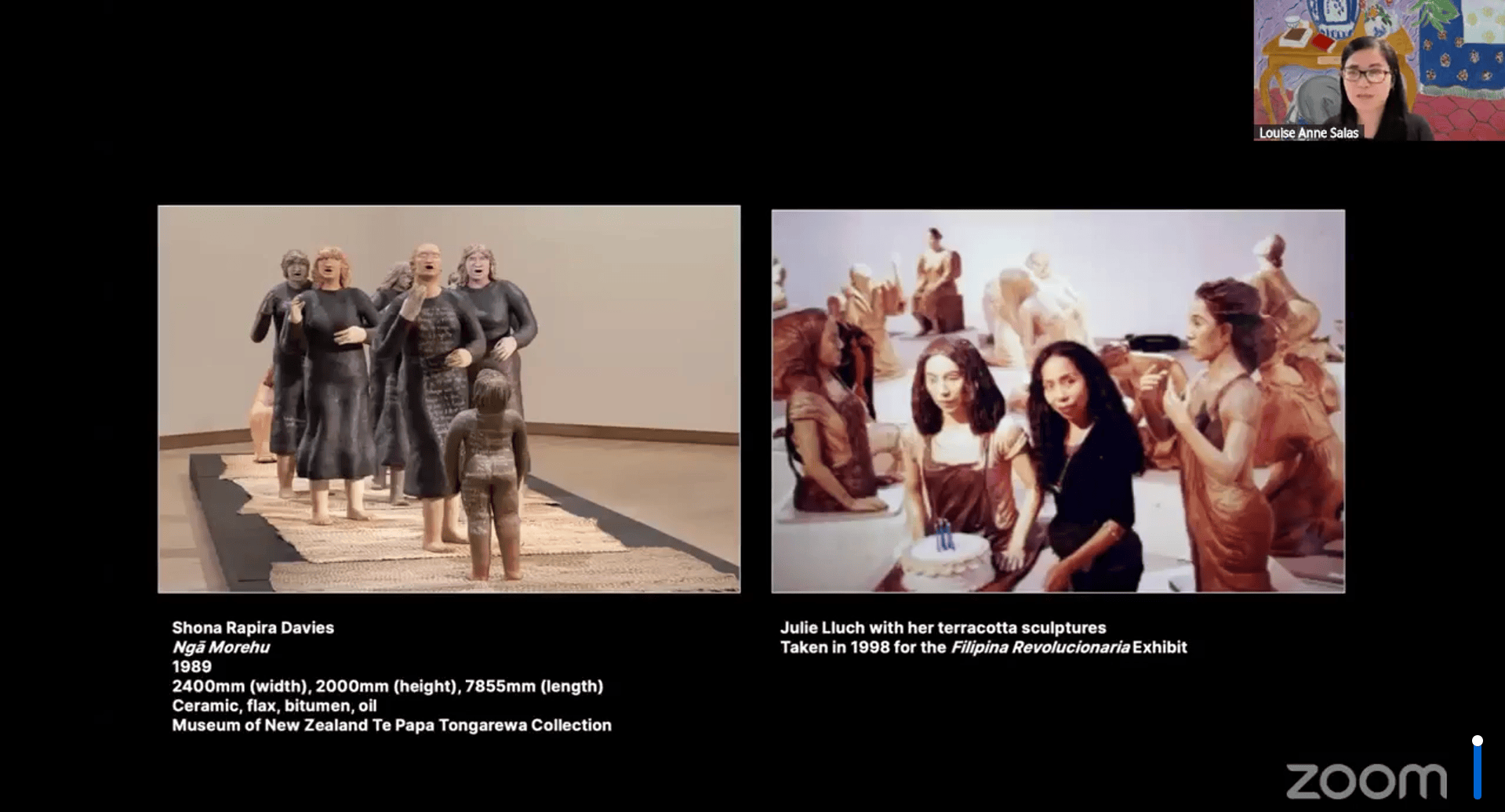
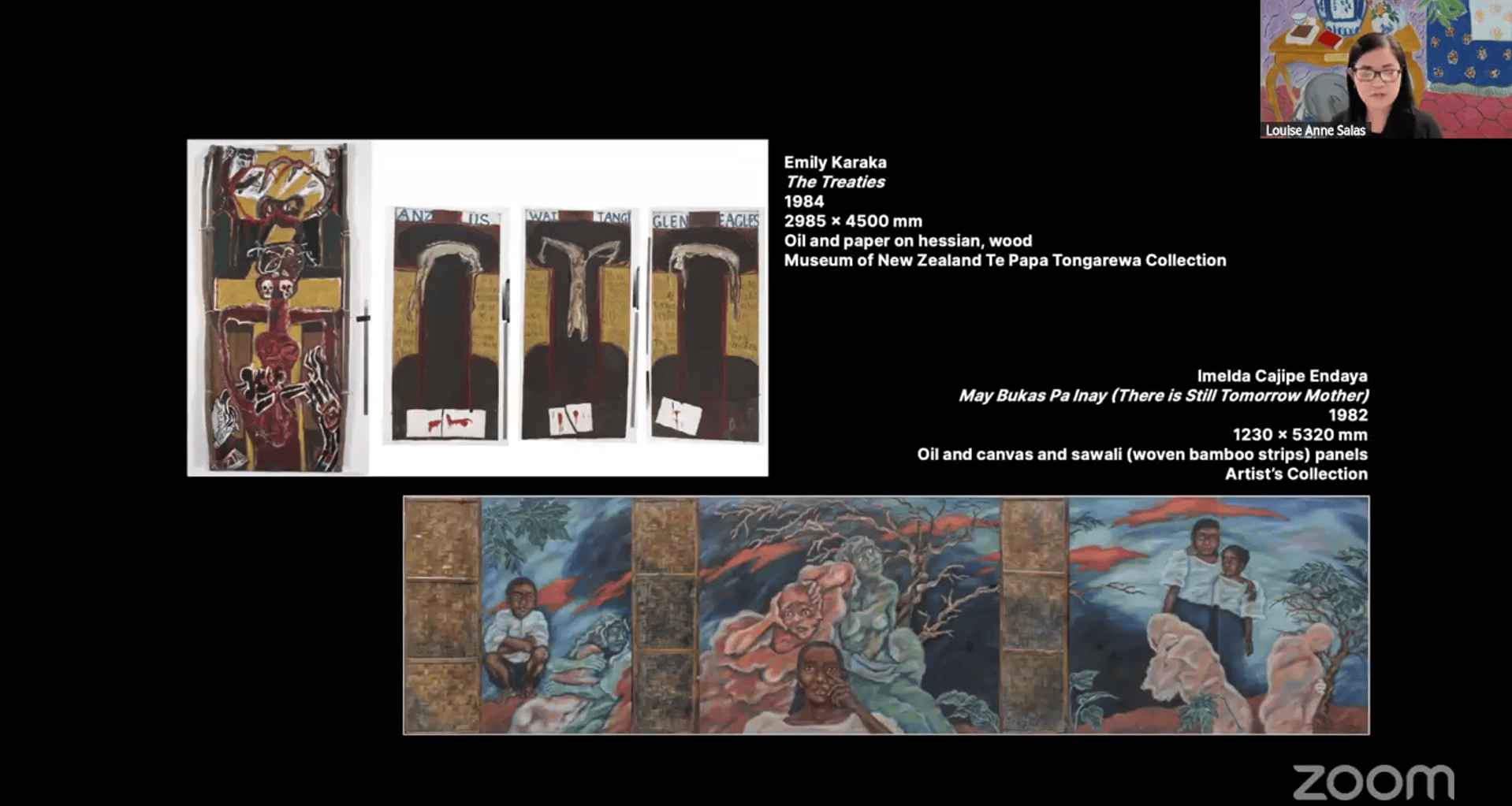
Ms. Louise Anne Salas, a Filipina PhD candidate at the University of Auckland and founding member of the Philippine Studies Network, served as the resource speaker. In her presentation, Ms. Salas examined the works of Filipino and Maori women artists. These Filipina artists and works include Brenda Fajardo’s Nagsinog ang Adlao sa Babaylan, Self Portrait and Pilipina/Domestic Helper in HongKong; Julie Lluch’s Terracotta sculptures, Thinking Nude and Picasso y yo; Imelda Cajipe Endaya’s May Bukas Pa Inay, Self Portrait of Artist as Babaylan and Balabal ni Lolo Minggay; and Anna Fer’s Favali at Iba pang Biktima, while Maori artists include Robyn Kahukiwa’s Hinetitama, Kaitiaki Tatau Tuatahi and the Migration; Shona Davies’ Nga Morehu and Te Waimapihi; Emily Karaka’s The Treaties and DNA; and Kura Te Waru Rewiri’s Whenua Wahine Whenua and Te Whaea Raua Ko Ana Tamariki. She discussed how their art became their channel to express a powerful medium for Filipina and wāhine Māori artists to express their cultural identities, articulate lived experiences, and preserve collective memory.
Through their creative works, these artists engage with themes of migration, ancestry, colonial history, gender, spirituality, and community, while reclaiming narratives and amplifying voices that have often been marginalized.
The webinar, anchored on this year’s National Heritage Month theme, “Roots and Horizons: Our Shared Heritage, Our Collective Future,” served as a platform for meaningful discussions on identity, heritage, and creative expression through the works of Filipina and wāhine Māori artists. The event highlighted the shared experiences of Indigenous and migrant communities and underscored the role of art in preserving culture and strengthening intercultural understanding between the Philippines and Aotearoa New Zealand.
In her remarks, Ambassador Kira Christianne D. Azucena emphasized the shared histories of resilience and community between the Filipino and Māori peoples, noting the enduring values that continue to strengthen ties between the two communities. She also highlighted how art and storytelling serve as powerful tools in bridging cultures, fostering understanding, and deepening friendships across nations.
Dr. Mei Ann Penalba, an authority on Indigenous Studies from the University of the Philippines Baguio, synthesized the discussion by highlighting common themes that emerged during the webinar, including resilience, identity, cultural continuity, representation, and the transformative power of storytelling through art. She likewise underscored the importance of creating platforms that amplify women’s voices and Indigenous perspectives in cultural and academic discourse.
The webinar concluded with an engaging Question and Answer session, during which Ms. Salas responded to questions from participants and further elaborated on the themes raised during the discussion.
The webinar may be viewed at the Philippine Embassy’s Facebook page. - END
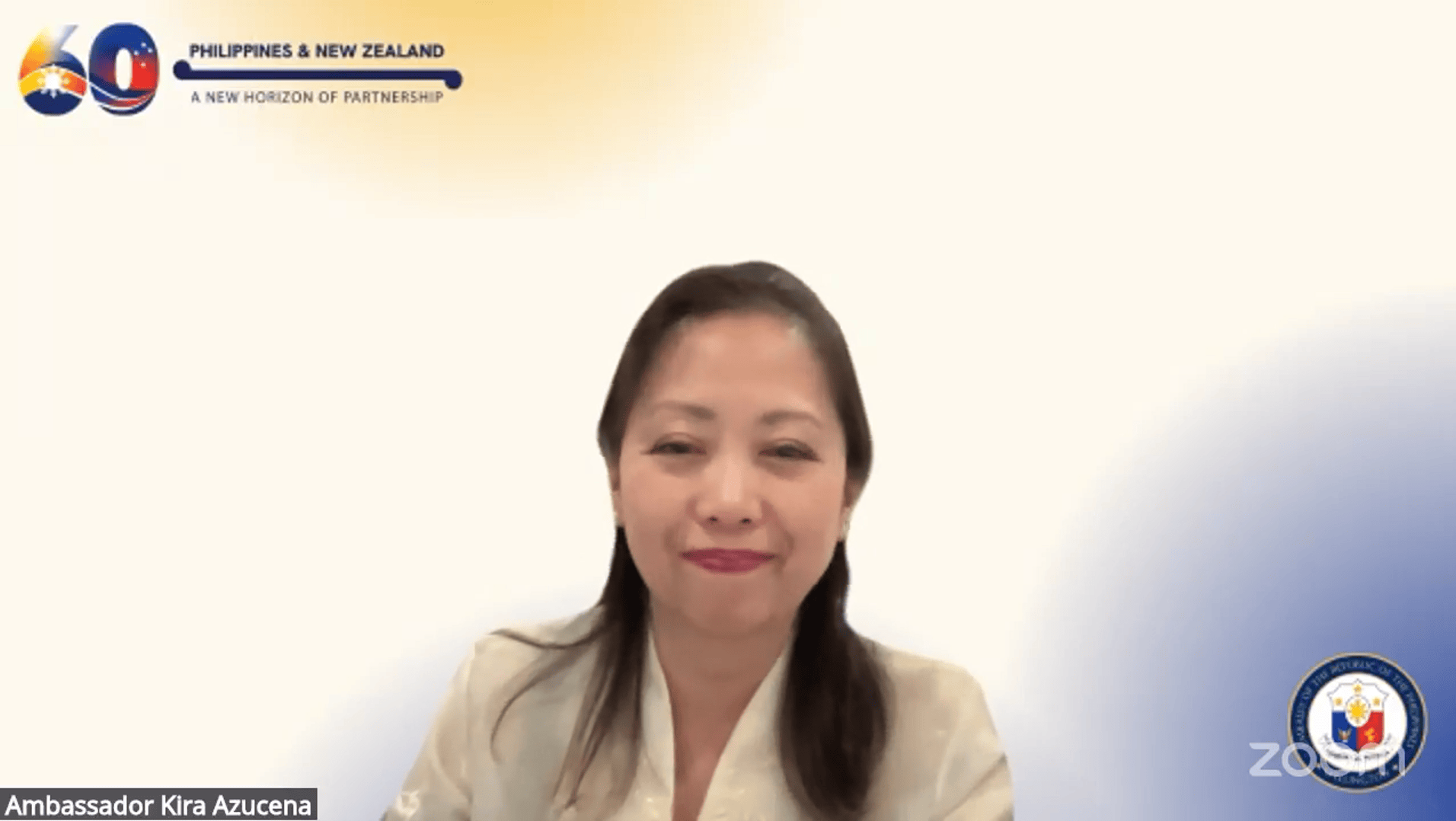
In her opening remarks Ambassador Azucena emphasized the shared histories of resilience and community between the Filipino and Māori peoples, noting the enduring values that continue to strengthen ties between the two communities.
 |
 |
 |
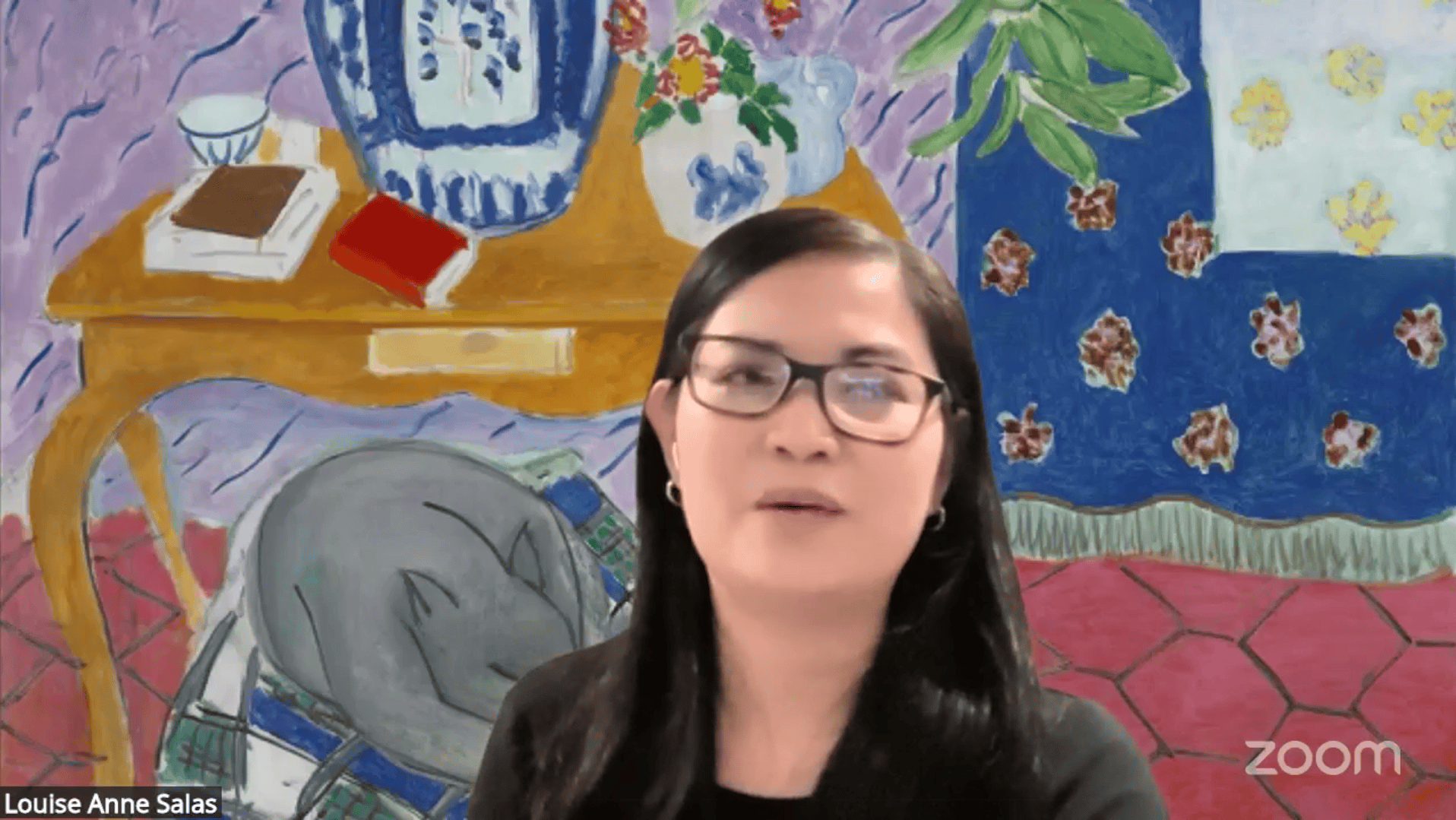 |
Ms. Louise Anne Salas, whose work explores the practices of Filipina and wāhine Māori artists alongside feminist developments from the 1970s to the 2000s examined how Filipina and wāhine Māori artists use visual art, performance, and storytelling to express cultural identity, reclaim narratives, and reflect on historical and contemporary experiences.
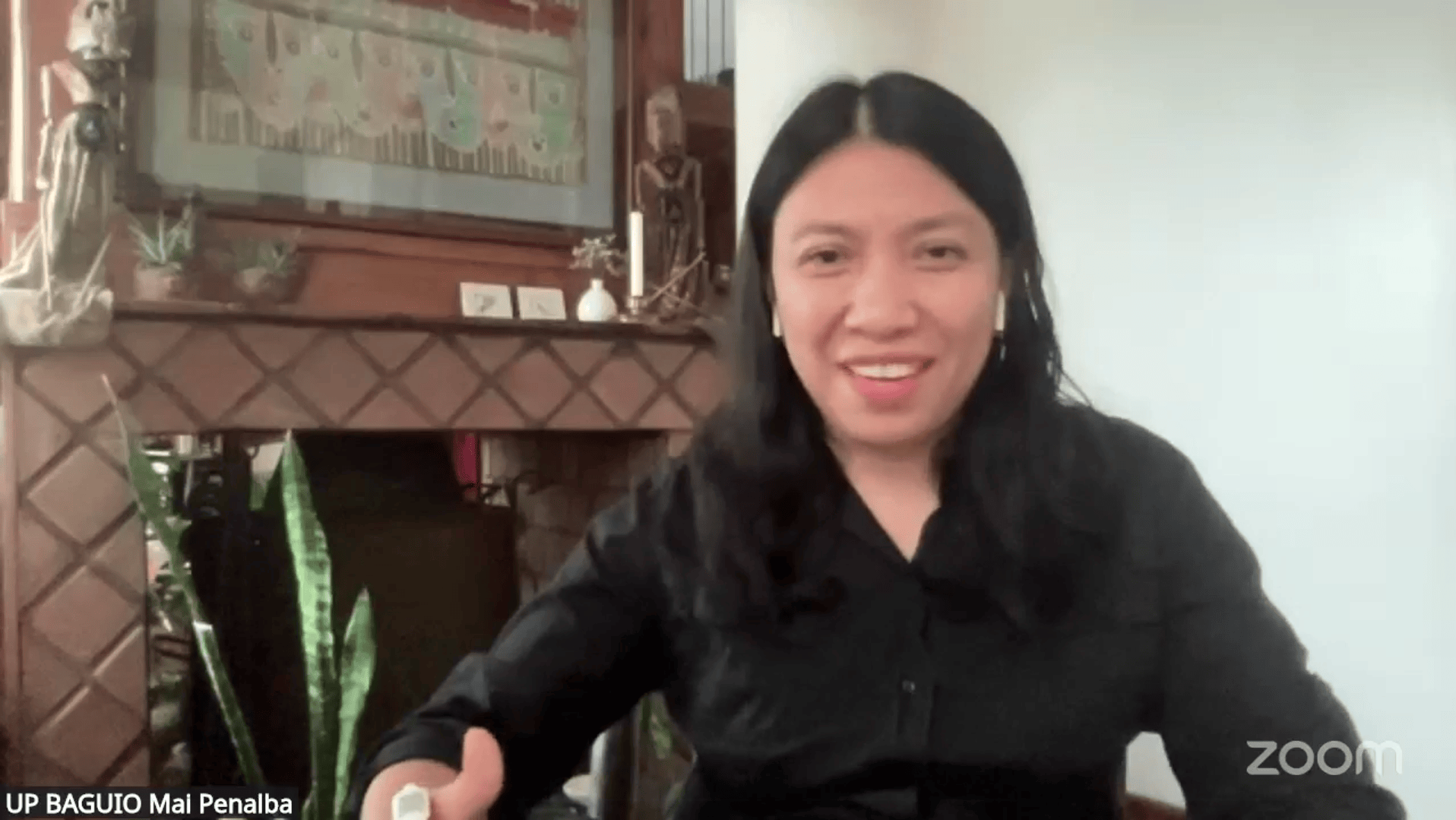
Dr. Mei Ann Penalba, an authority on Indigenous Studies from the University of the Philippines Baguio, synthesized the discussion by highlighting common themes that emerged during the webinar.